Methodology
Every bowl of cream of crab soup is evaluated in person, on site, the day it is served. Each evaluation is recorded in the spreadsheet before the registry leaves the building. There have been 850 of them. The method has not changed since bowl one.
Three criteria. Ten points each. Thirty points available. That's it. The method survives because it is simple, and it is simple because soup is not complicated. Restaurants are complicated. Soup is honest.

Criterion one: Creaminess
The base. A proper cream of crab is rich without being wallpaper paste and silky without being milk. The spoon should stand up briefly, then think better of it. Flour-heavy bowls lose points. Half-and-half masquerading as cream loses more — the registry has ruled on this, and the ruling is final.
Scored 0–10. Half points are permitted. The registry has strong feelings about 7.5.

Criterion two: Crabbiness
The point of the exercise. Maryland blue crab, present in body and spirit: visible lump on the spoon, backfin through the bowl, flavor that arrives before the spoon does. Shreds that dissolve on contact score low. A bowl you must excavate to find crab in scores lower. Imported claw meat is noticed. It is always noticed.
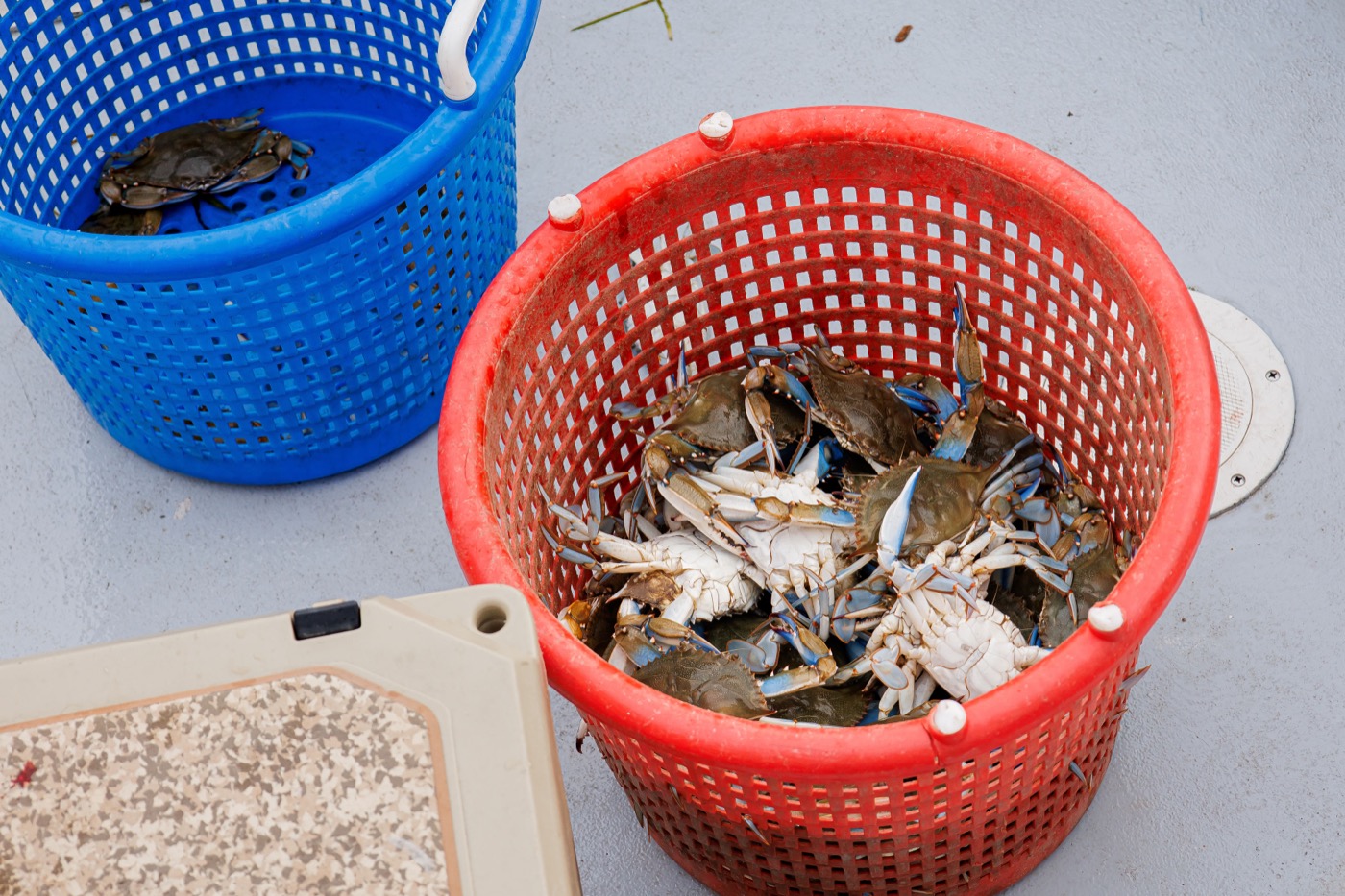 The standard against which all bowls are measured
Criterion three: Price
Value, not cheapness. A fourteen-dollar bowl loaded with jumbo lump can score a ten. An eight-dollar bowl of thickened regret cannot. The price paid is recorded at the table, from the actual check — menu prices from years past are never overwritten, because history does not get edited in this registry.
The math
Creaminess + crabbiness + price, out of thirty, expressed as the Registry percentage. A 27-point bowl is a 90%. The arithmetic is performed at the table, out loud, sometimes to the visible concern of the staff.
One bowl in registry history scored 101%. The math was checked. It stands. The registry does not cap greatness.
A restaurant's current score is its latest evaluation — not its best, not its average. Soup changes: kitchens change hands, recipes drift, portions shrink. The registry keeps up, and every historical evaluation is preserved on the restaurant's file, including the ones the restaurant would prefer forgotten.
Certification
Bowls scoring 90% or above earn Registry certification — the gold pill. Certification belongs to the evaluation, not the establishment; a certified kitchen that slips will be re-evaluated and the record will show it. This is not a threat. It is a methodology.
Conduct
Visits are unannounced. The soup is ordered first, before pleasantries. I pay for the bowl; when a visit is comped or arranged, the review discloses it, and the score does not know the difference. Scores are not for sale — not to restaurants, not to sponsors, not to members. Sponsored placements on this site are labeled, and the ranking code is structurally incapable of reading them.
Bowls eaten at home — 55 of them and counting, plus one at my grandmother's (100%, unchallenged) and one at my ex's apartment — are recorded in the registry but excluded from the rankings. My kitchen is not a restaurant. I am aware of this. Grandma's kitchen is also not a restaurant, which is the only reason anyone else holds the top spot.
I do not review other soups. I am aware that other soups exist.
The sealed log
Bowls #1 through #802 — October 2018 to the start of the filmed era — remain sealed in the registry. They exist. They are scored. Registry membership will open them. The spreadsheet is patient.